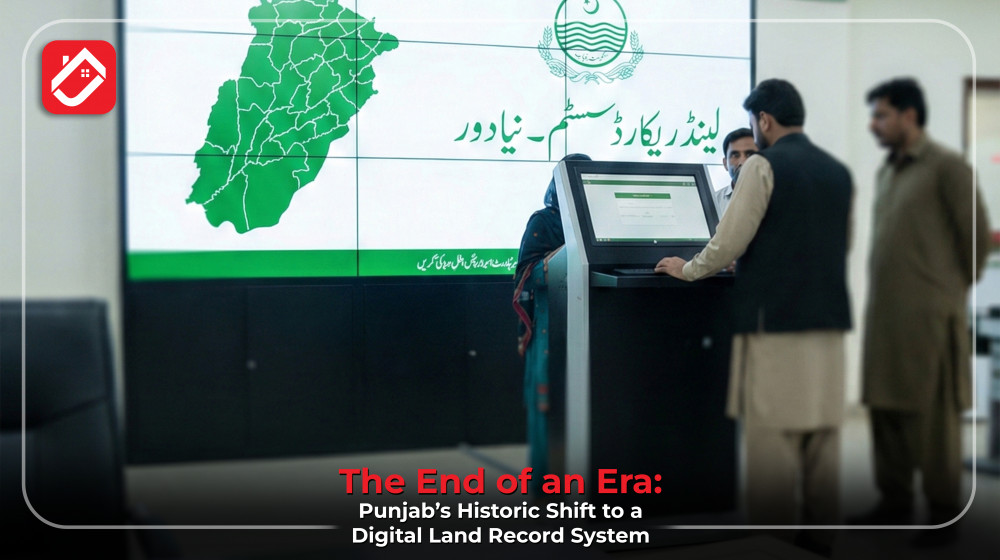
A monumental transformation has been enacted within the governance of land records in Punjab, marking the definitive end of centuries-old colonial bureaucratic traditions. In a decisive move to eradicate systemic corruption and ensure absolute transparency, the "Patwar Culture" has been effectively dismantled. The powers previously exercised by Patwaris and Assistant Commissioners regarding oral land mutations have been formally withdrawn, signaling a new dawn for property rights in the province.
This historic decision is not merely a procedural update; it is a fundamental restructuring of how land ownership is recognized, transferred, and protected.
The New "Strict" Protocols: What Has Changed?
Under the newly enforced regulations, the ambiguous and loophole-ridden methods of the past have been replaced by a rigid, documentation-first approach. The following changes have been mandated to safeguard the interests of the public:
Prohibition of Oral Mutations (Zubani Intiqal): It has been decreed that no land mutation will be recorded based on verbal agreements or oral statements. The traditional practice, where a Patwari could alter records based on a verbal claim, has been abolished. Mandatory Registration: Land transfers are now recognized only when supported by a valid, written, and legally registered Sale Deed (Registry). Without this foundational document, no mutation can be initiated. Judicial Oversight for Inheritance: The automatic processing of inheritance transfers (Wirasat) by local revenue officers has been restricted. It is now required that such transfers be backed by a formal court order or decree to prevent family disputes and fraud. Removal of Witness Requirement: In a bid to streamline the process and reduce the reliance on potentially compromised intermediaries, the requirement for witnesses during the mutation process has been eliminated. The system now relies on biometric verification and digital records rather than human testimony.A Centralized, Digital Workflow
The procedural workflow has been completely re-engineered to minimize human intervention and maximize efficiency.
From Patwari to E-Sahulat: The authority to record mutations has been shifted from the local Patwar Khana to centralized Sub-Registrar Offices and E-Sahulat Centers. Immediate Mutation: It has been arranged so that the mutation (Intiqal) is recorded immediately following the registration of the Sale Deed (Fard-e-Bai). This "One-Window" operation ensures that the buyer's name is updated in the records instantly, closing the window of opportunity for fraudulent double-selling of land.The Impact: Why This Matters
This reform is being hailed as a revolutionary step towards the protection of asset ownership. By digitizing the workflow and removing discretionary powers from lower-tier officials, the scope for bribery, blackmail, and illegal land grabbing is significantly reduced. For the common citizen, this means that property rights are now secured by the state's digital infrastructure rather than the whims of a local official.