Headline Options
How to Identify a High-ROI Property Before Investing in Pakistan (used below) 7 Signs a Property Will Give You High Returns in Pakistan Before You Invest in Property in Pakistan, Read This Is This Property Worth It? How Smart Investors Spot High-ROI Deals in PakistanHow to Identify a High-ROI Property Before Investing in Pakistan
Most people in Pakistan buy property the same way they buy a car — on gut feeling, a friend's tip, or because a developer's brochure looked impressive. And most of those people end up with a property that sits idle for years, earns no rent, and appreciates slower than inflation.
Here's the truth: high-ROI properties don't happen by accident. They're identified methodically, before money changes hands. This guide shows you exactly how to do that — whether you're buying your first plot or expanding an investment portfolio.
What ROI Actually Means in Pakistani Real Estate
ROI (Return on Investment) in property comes from two sources:
Rental yield — the annual rent your property generates as a percentage of its purchase price Capital appreciation — how much the property's market value increases over timeThe formula is simple:
Rental ROI (%) = Annual Rent ÷ Purchase Price × 100
For example: a house bought for PKR 1 crore that earns PKR 4 lakh/year in rent gives you a 4% rental yield.
In Pakistan, residential rental yields average 2–4% in major cities — relatively low compared to commercial properties, which can yield 6–9%. The real money in Pakistan's property market typically comes from capital appreciation, especially in early-stage developments and growth corridors. Smart investors look for both — a property that earns rent today and grows in value tomorrow.
Location Is Still the #1 ROI Driver
No amount of clever financing makes a bad location profitable. Before anything else, evaluate where the property sits relative to:
Infrastructure growth — Ring roads, motorway interchanges, BRT corridors, and new expressways consistently push property values up in surrounding areas. Lahore's Ring Road transformed values along its entire stretch. The same effect is playing out along CPEC-linked routes in smaller cities. Employment hubs — Properties near business districts, hospitals, universities, or major commercial zones see sustained rental demand because tenants have to be there. Upcoming development — A society with a completed master plan, phased development, and visible on-ground construction is far less risky than one with only a brochure. Projects like Shalimar Smart City Sargodha — designed by Singapore-based Meinhardt with a smart business district, 150-foot boulevard, and SDA NOC already in hand — are a good example of infrastructure-first planning that underpins long-term value. Demand-supply gap — Are people actually looking to rent or buy in that area? Oversupplied markets (too many similar properties, too few buyers) kill returns. Cities like Sargodha, which have a clear shortage of modern residential and commercial space, offer genuine scarcity-driven upside.The Numbers You Must Check Before You Buy
Once location checks out, run these numbers honestly:
1. Rental yield vs. your target
Ask local agents for actual current rental rates in that street or sector — not projected figures. If the math doesn't work at today's rents, don't rely on optimistic future projections.
2. Price vs. DC rate
The DC rate (District Collector rate) is the government's official property valuation, used for stamp duty calculation. If the asking price is significantly above the DC rate, verify why — is there genuine market demand, or is the seller inflating?
3. Comparable sales (comps)
What have similar properties in the same area actually sold for in the last 6 months? Real comps tell you more than any agent's quoted price.
4. Cost of ownership
Factor in: annual property tax, maintenance charges, utility connections, and society charges (in gated communities). These reduce your effective yield.
5. Exit liquidity
Can you sell this property within 3–6 months if you need to? Illiquid markets trap your capital. Established societies in major cities and well-known projects with strong brand recognition tend to have far better resale liquidity than unknown schemes.
Red Flags That Kill Your ROI
Watch for these before you commit:
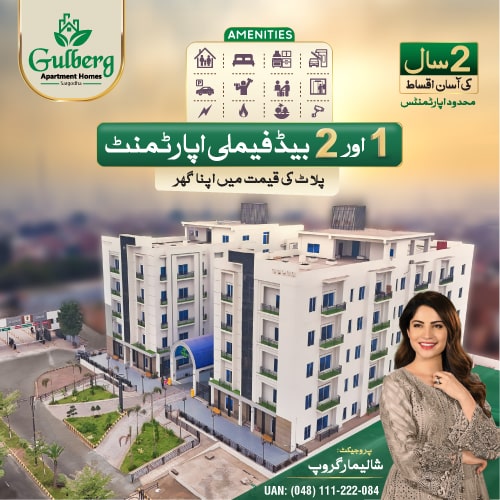
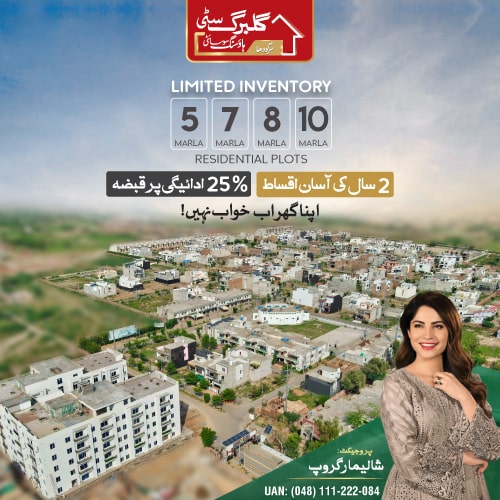
No NOC or unapproved society — A housing scheme without approval from LDA, DHA, SDA, or the relevant authority is legally risky. Your investment can be seized or demolished. Too many ballots, too few possessions — If plots were balloted years ago but possession is still pending, it signals financial trouble or land disputes. Always visit the site. Promised amenities that don't exist on the ground — Brochures are marketing. Physically walk the project. Gulberg City Sargodha, for instance, already has carpeted roads, a commercial area, parks, Grand Jamia Masjid, and Café De Lime — all on-ground, not just on paper. Vague developer track record — Always check what the developer has previously delivered and whether buyers are satisfied. After-sale service matters enormously once possession happens. Prices with no clear justification — If a new society is priced similar to an established DHA phase with none of the same infrastructure, question the basis.Your Pre-Investment Checklist
Before signing anything, verify:
Valid NOC from relevant authority (LDA, SDA, RDA, etc.) Fard (land record) or ownership title is clean Developer has a track record of delivery — visit previous projects Rental comps confirm realistic yield for your investment goal Comparable sales support the asking price Infrastructure milestones are visible on-site, not just promised Full cost breakdown in writing: plot price + development charges + possession charges + transfer feeA property that clears all seven deserves serious consideration. One that fails even two or three needs to wait.
Final Takeaway
High-ROI properties aren't secrets — they're the result of applying the right framework before your emotions (or a persuasive agent) take over. Lead with location, back it with numbers, verify everything on the ground, and only commit when the legal and financial boxes are all ticked.
What's the most important factor you consider when evaluating a property investment — location, yield, or developer reputation? Share your take in the comments.
Start your investment search with verified listings, developer profiles, and real market data on Jaageer.com — Pakistan's trusted property portal